
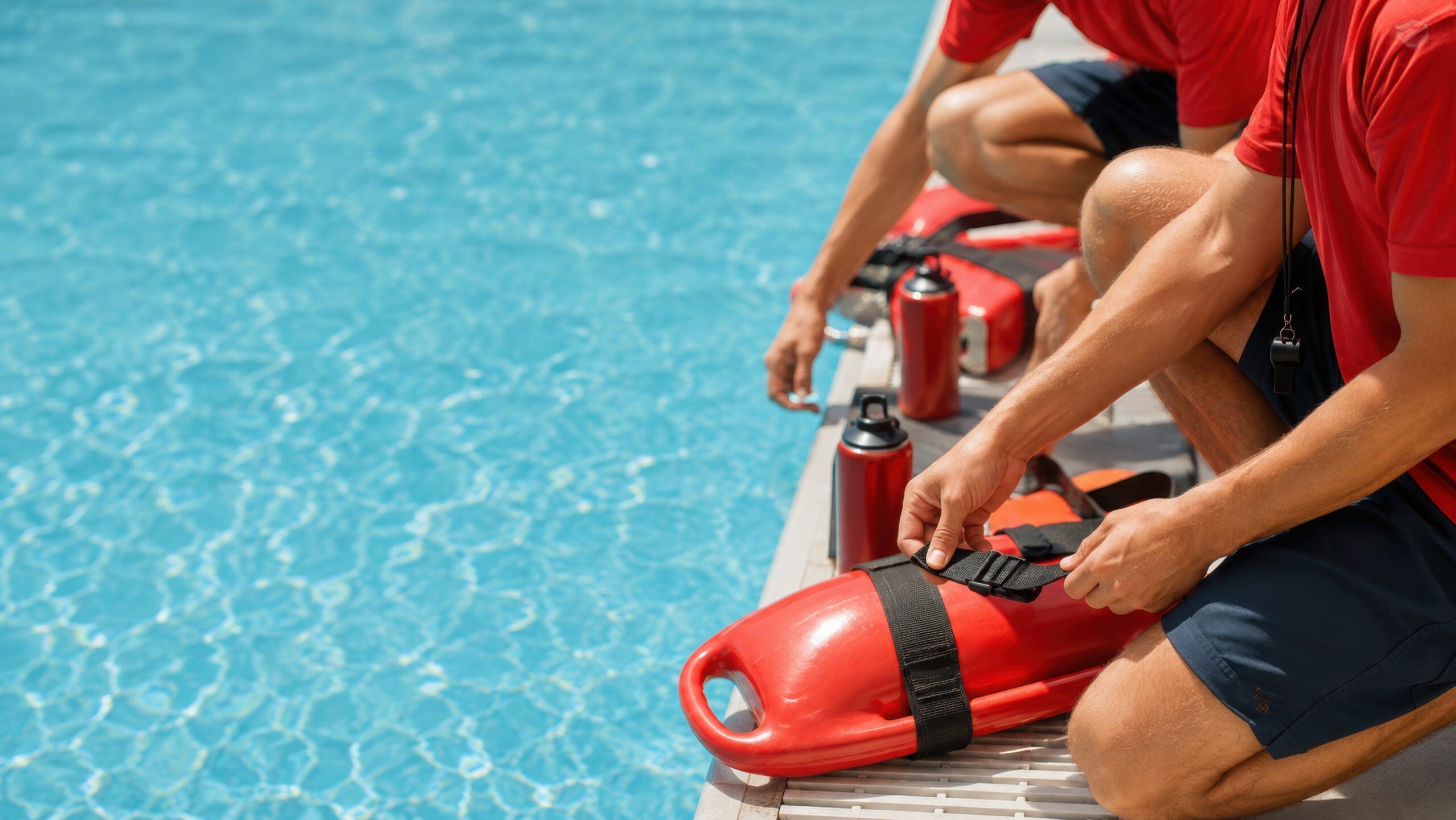
When people hear the phrase H-2B aquatics jobs, some picture aquariums or marine parks. In our programs, aquatics means something most Americans see every summer: the neighborhood pool, the rooftop pool at an apartment building, the lazy river at a resort. These pools need certified lifeguards, attendants, and maintenance staff for a few busy months, and for many operators, finding those people locally has become harder every year.
Aquatics is one of the largest program areas at United Work & Travel, and it sits alongside hospitality, amusements, seafood processing, food service, and landscaping in our overview of H-2B jobs by industry. This guide focuses on the pool side of that picture, with practical information for both the employers who run aquatic facilities and the international workers who staff them.
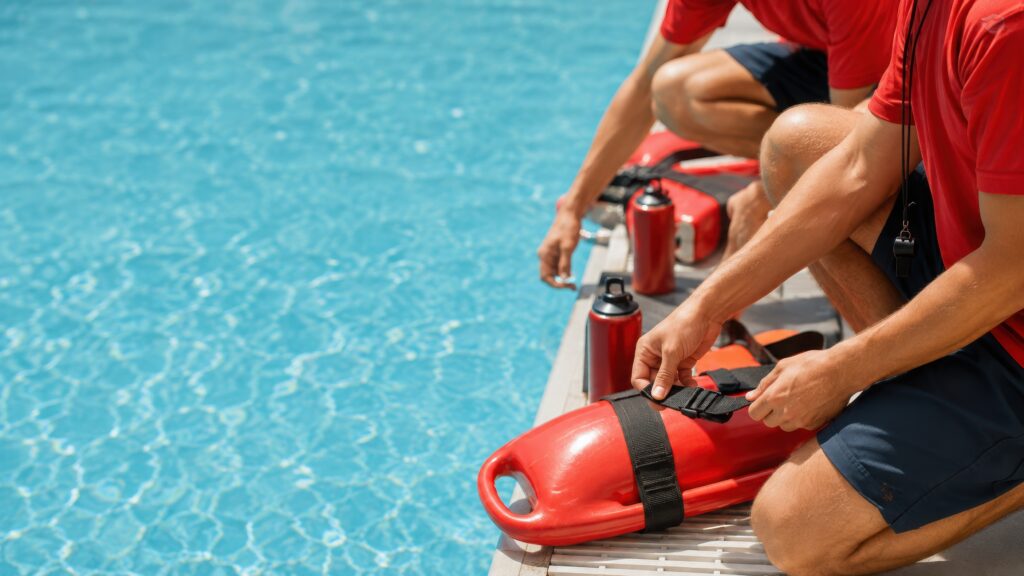
What H-2B Aquatics Jobs Include
Aquatics covers pool operations and amenity staffing, not marine life or aquarium work. The employers we see most often in this space include residential and HOA communities, apartment and condo buildings with amenity pools, and hotels, resorts, and clubs.
Within those facilities, H-2B aquatics jobs usually fall into three groups:
- Lifeguards, who monitor swimmers, enforce pool rules, and respond to emergencies.
- Pool attendants, who handle guest check-in, chair and towel setup, and general deck upkeep.
- Pool maintenance staff, who test water chemistry, clean filters and decks, and keep equipment running.
Pool management companies often run dozens of facilities at once, so a single employer may need H-2B lifeguard jobs filled at many locations that all open on the same holiday weekend.
Why Pools Struggle With Seasonal Lifeguard Staffing
Lifeguarding has been a hard role to fill for years. In 2022, the American Lifeguard Association estimated that a third to nearly half of the country’s more than 300,000 pools would be affected by the lifeguard shortage. Cities and private operators responded with higher pay and signing bonuses, and some pools still opened late, cut hours, or stayed closed.
A few things make seasonal aquatics jobs especially tough to staff with local hires. Most pools cannot open without a certified guard on duty, so even one missing guard can close a facility for the day. The traditional workforce of high school and college students often leaves in mid-August, while pools in Florida, Texas, and Arizona stay open well past Labor Day, and because the work is outdoors, physical, and tied to safety, turnover in the middle of the season is costly.
Why Aquatics Staffing Programs Require Early Planning
For employers, the biggest mistake in pool operations seasonal staffing is starting too late. Most pools open between late April and Memorial Day, which places their H-2B start dates in the second half of the fiscal year, the window with the most competition for visa numbers. In FY 2026, USCIS announced on March 20, 2026 that it had received enough petitions to meet the second-half cap.
The full process includes a prevailing wage determination, recruitment of U.S. workers, Department of Labor certification, a USCIS petition, and consular processing. Our step-by-step look at H-2B visa processing time in 2026 breaks down each stage. United Work & Travel recommends starting about nine months before your intended start date, so for pools opening in May 2027, the planning window is already open.
Certification adds another layer. Lifeguards generally need a recognized certification, such as one from the American Red Cross, along with any additional requirements set by state health codes or the employer. Building time for training and certification into your schedule keeps a new guard from arriving ready to work but unable to take a stand.
Employers also commit to specific wage and working condition rules. The U.S. Department of Labor’s H-2B guidance explains that employers must offer at least the highest of the prevailing wage or the applicable federal, state, or local minimum wage for the full certified period.
What Workers Should Know About H-2B Lifeguard Jobs
If you are an international worker interested in H-2B pool jobs, start with an honest look at your swimming ability. Lifeguard training includes timed swims, treading water, and rescue skills, and employers will expect you to pass a certification course before you start guarding.
A few other things are good to know before you commit:
- Your visa is tied to one employer. The company that files your petition is the company you work for during the season.
- The days are long and outdoors. Expect heat, sun, and weekend and holiday shifts, since those are the busiest days at any pool.
- Communication matters. Lifeguards give instructions to swimmers and coordinate with coworkers during emergencies, so clear spoken English is important.
Be cautious with anyone who promises a guaranteed visa or asks you to pay a recruitment fee. Under H-2B rules, employers and their recruiters cannot charge workers recruitment fees, and a trustworthy sponsor will explain the process openly.
Frequently Asked Questions About H-2B Aquatics Jobs
Do H-2B aquatics jobs include aquarium or marine park work?
In our programs, no. Aquatics refers to pools, pool operations, and amenity staffing at residential, hospitality, and community facilities.
Do I need to be certified before I arrive?
Requirements vary by employer and state. Some employers arrange certification after arrival, while others prefer workers who already hold one, so ask about this early in the process.
How long do seasonal aquatics jobs usually last?
Most run from late spring through Labor Day, and pools in warmer states may run into the fall. The exact dates depend on the employer’s certified period of need.
Can one employer staff multiple pools with H-2B workers?
Yes. Pool management companies often place H-2B lifeguards and attendants across several facilities, as long as the work locations are covered by the employer’s temporary labor certification.
Planning Your Next Pool Season
Pools are one of the clearest examples of how a staffing gap turns into a visible problem, with closed gates, roped-off lanes, and unhappy residents and guests. Employers who plan early, budget for certification, and work with an experienced sponsor give themselves the best chance of opening on time. Workers who understand the role, the training, and the season ahead tend to have a smoother, more rewarding summer in the United States.
Connect with United Work & Travel to learn more about H-2B aquatics jobs and lifeguard staffing pathways for the 2027 season, or reach out to our team with your questions.